
In the last 12 months, the UK’s App Store and Google Play charts have logged a 38% jump in mobile game downloads, topping 150 million installs. That raw figure tells the story better than any vague “growing market” claim. It means more people are reaching for their phones during commutes, lunch breaks, and even while waiting in line at the supermarket.
Step 2: Measure the Time Spent Playing
According to a recent survey by GameAnalytics, the average UK player now spends 2 hours 45 minutes per day on mobile titles—up from 1 hour 30 minutes just two years ago. The increase isn’t uniform; heavy users (the top 20% of spenders) log close to 5 hours daily, while casual players still average about 1 hour. Those numbers translate into a new rhythm of entertainment: short bursts that fit into any gap in the day.
Step 3: Understand the Revenue Shift
Mobile in‑app purchases generated £1.2 billion in the UK in 2023, outpacing console sales by £200 million. The majority of that money—roughly 62%—comes from “freemium” models where the base game is free but cosmetic items or speed‑up packs cost real money. It’s a clear sign that players are comfortable paying for convenience and personalization, even on a small screen.
One common mistake is assuming that all mobile games are cheap or low‑effort. In reality, titles like Genshin Impact or Clash Royale demand strategic thinking comparable to PC or console experiences, and they often receive updates as frequent as any major release.
Step 4: Recognize How Social Features Blur Boundaries
Multiplayer modes now dominate the top‑grossing charts. Games such as Among Us and Call of Duty: Mobile let friends form squads with a single tap, turning a solitary commute into a shared session. The chat integration, live leaderboards, and cross‑platform invites mean the line between “mobile” and “social media” is practically invisible.
That blending of play and social interaction also fuels a secondary market: streaming. UK Twitch viewers spent an average of 3 hours per week watching mobile game streams in 2023, a figure that rivals traditional PC titles.
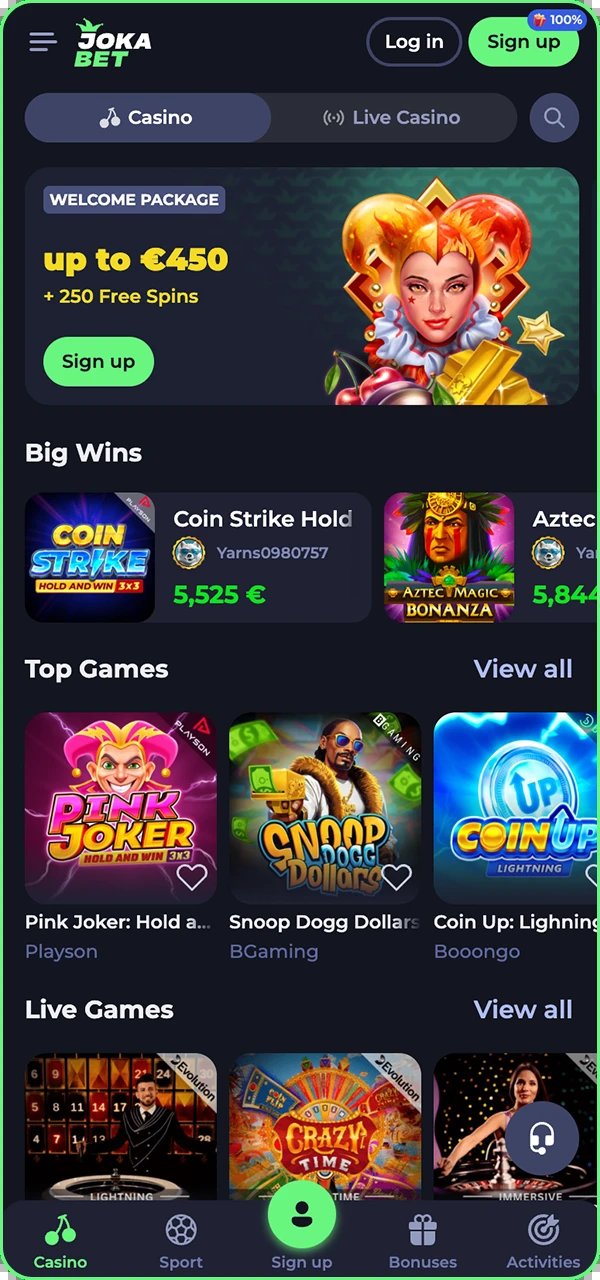
For those curious about how this mobile wave spills over into broader online entertainment, the rise of immersive experiences on platforms like https://inspireattire.co.uk shows that the same design principles—quick entry, vibrant visuals, and social hooks—are being repurposed for web‑based games and virtual events.
Step 5: Adapt Your Own Entertainment Habits
- Schedule short gaming bursts during natural downtime—e.g., a 10‑minute session while waiting for the kettle.
- Set a weekly budget for in‑app purchases; £15 is enough to enjoy most cosmetic upgrades without overspending.
- Follow developers on Twitter or Discord to catch free content drops, which often arrive as surprise events.
Conclusion: The New Entertainment Landscape
The UK’s mobile gaming boom isn’t just a spike in downloads; it reshapes how we allocate leisure time, spend money, and connect with friends. By tracking download spikes, daily playtime, revenue models, and social integration, you can see the concrete ways smartphones are redefining entertainment. Embrace the trend wisely, avoid the trap of endless spending, and you’ll find that your pocket‑sized console can deliver more than you ever expected.
Frequently Asked Questions
What contributed to the 38% increase in mobile game downloads in the UK?
The surge is driven by more people using phones during commutes, lunch breaks, and even while waiting in line, coupled with the popularity of casual and hyper‑casual titles.
How many installs have mobile games achieved in the past year?
The App Store and Google Play charts logged over 150 million installs, reflecting the 38% jump from the previous 12 months.
0 Comments for “Step 1: Spot the Surge in Download Numbers”